Marketing has now entered a new phase where artificial intelligence is the baseline for competitive survival. As we navigate 2026, AI automation in marketing has transformed from experimental technology to essential infrastructure.
The market trajectory tells a compelling story: organizations embracing AI automation are fundamentally reshaping how marketing operates, moving from manual, reactive processes to intelligent, predictive systems that operate at unprecedented scale and sophistication.
But this isn’t just about impressive market valuations. It’s the fundamental changes in how brands connect with customers, optimize campaigns, and drive growth. Marketers who understand and implement AI automation effectively are creating competitive moats that traditional approaches simply cannot match. Those who don’t, risk becoming invisible in an increasingly algorithmic marketplace.
The convergence of Artificial Intelligence automation in marketing, AISO automation (AI Search Optimization automation), and LLM marketing represents more than technological advancement; it represents a complete reimagining of the marketer’s role. From content creation to customer journey optimization, from predictive analytics to hyper-personalization, AI is redefining what’s possible.
How AI is Driving Automation in Marketing
The mechanics of how AI drives marketing automation reveal why this technology creates such profound advantages. Unlike traditional automation that follows rigid if-then rules, AI-powered systems learn, adapt, and optimize continuously based on actual performance data.
Machine Learning Enables Predictive Optimization.
Traditional marketing automation could send an email at a scheduled time. AI automation analyzes when each individual recipient is most likely to open, read, and act on that email, then sends it at the optimal moment for that specific person. This shift from batch-and-blast to individualized timing represents the fundamental difference AI brings to automation.
According to Salesforce data, predictive models now account for an average of 26.34% of all orders, demonstrating that AI-driven timing and targeting decisions significantly outperform human intuition. The system learns from millions of interactions, identifying patterns invisible to human marketers.
Natural Language Processing Transforms Content Creation.
Gartner predicts that by 2025, 30% of outbound marketing messages from large organizations will be synthetically generated (AI). This is about augmenting it.
AI analyzes what messaging resonates with specific audience segments, generates variations for testing, and continuously refines based on performance.
LLM marketing tools can now craft email subject lines, ad copy, social media posts, and even long-form content that performs as well or better than human-written alternatives. The key difference: AI can produce and test hundreds of variations in the time it takes a human to write one.
Behavioral Analysis Enables Real-Time Personalization.
Modern AI systems pull data from CRM platforms, e-commerce sites, mobile apps, social media, and even IoT devices to build comprehensive customer profiles. These profiles power hyper-personalization where every interaction feels individually crafted. The sophistication extends beyond basic demographic targeting. AI now analyzes micro-signals like browsing patterns, engagement timing, content preferences, purchase history. To predict what each customer needs before they express it. This transforms marketing from reactive to proactive.
Automated Optimization Across Channels.
AISO automation represents the evolution of search engine optimization into AI-driven search optimization. As search itself becomes AI-powered through ChatGPT, Perplexity, and Google’s AI Overviews, marketing automation must optimize for how these systems discover and recommend brands.
AI automation now handles cross-channel orchestration, ensuring consistent messaging while adapting format and tone to each platform’s unique characteristics. A single campaign automatically generates variations for email, social media, paid ads, and AI search platforms, each optimized for its specific context.
Why Artificial Intelligence in Marketing is Needed
The shift to AI automation in marketing is driven by necessity. Market dynamics, customer expectations, and competitive pressure have created an environment where AI adoption isn’t optional for brands that want to survive, let alone thrive.
Customer Expectations Demand Personalization At Scale.
Research shows that 83% of customers are willing to share personal data if it means receiving personalized content. But delivering personalization manually becomes impossible as customer bases grow. AI automation solves this scalability problem, providing individualized experiences to millions of customers simultaneously.
The alternative: generic messaging, simply doesn’t work anymore. Personalized emails generate 6X higher transaction rates than generic ones, according to recent data. AI makes this level of personalization economically viable across entire customer bases.
Competitive Advantage Increasingly Depends On Speed.
In sales, leads contacted within 5 minutes are significantly more likely to convert. But human teams can’t maintain that response speed consistently. AI-powered chatbots, automated lead routing, and instant personalization enable brands to meet customer expectations for immediate, relevant engagement. The gap between automated and manual approaches continues widening as AI systems learn and improve while manual processes remain static.
Data Volume Exceeds Human Processing Capacity.
Modern marketing generates overwhelming amounts of data: website analytics, customer behavior, campaign performance, market trends, competitor actions. Humans can’t process this volume fast enough to make timely decisions. AI excels at exactly this: analyzing massive datasets, identifying patterns, and recommending or implementing optimizations in real-time. This reflects recognition that data-driven decision-making now requires AI capabilities.
Cost Efficiency Drives Adoption.
McKinsey research shows that companies using AI for marketing automation reduce customer acquisition costs by 25%. This isn’t just about doing more with less; it’s about achieving results that weren’t possible before. Automated emails generate 320% more revenue than non-automated emails, demonstrating quantifiable ROI that justifies investment.
With marketing automation revenue surging toward $21.7 billion by 2032, the economic case is clear: AI automation delivers measurable business outcomes that traditional approaches cannot match.
Labor Market Challenges Accelerate Automation
Finding and retaining skilled marketing talent is increasingly difficult and expensive. AI automation allows smaller teams to achieve results previously requiring much larger staff. Sales teams using automation report an average 14.5% increase in productivity, enabling them to focus on high-value activities like relationship building and strategic planning rather than repetitive tasks.
5 Ways to Use AI Automation in Marketing
Understanding why AI matters is only valuable if you know how to implement it. Here are five high-impact applications of AI automation in marketing that deliver measurable results.
1. Predictive Lead Scoring And Intelligent Routing.
Traditional lead scoring assigns points based on predetermined criteria. AI-powered lead scoring analyzes thousands of variables across millions of interactions to predict conversion likelihood with far greater accuracy.
The system automatically identifies which leads are ready to buy now versus those needing nurturing, then routes them appropriately. High-intent leads go immediately to sales. Others enter automated nurture sequences customized based on their specific interests and behaviors. This ensures no lead falls through cracks while optimizing sales team time.
Integrate AI lead scoring tools with your CRM. Platforms like HubSpot, Marketo, and Salesforce Marketing Cloud offer built-in AI capabilities. Train the system on your historical conversion data so it learns what signals indicate purchase readiness in your specific market.
2. Dynamic Content Personalization Across Channels.
AI automation enables true omnichannel personalization where content adapts in real-time based on who’s viewing it, on what device, at what time, and with what previous context.
Website visitors see different hero images, CTAs, and product recommendations based on their profile and behavior.
Email content dynamically adjusts: different subject lines, body copy, offers, and imagery for different segments, all tested and optimized automatically.
Social media ads automatically generate variations targeting different audience segments with messaging tailored to each group’s preferences.
Use platforms like Dynamic Yield, Optimizely, or Adobe Target for web personalization.
For email, tools like Mailchimp, ActiveCampaign, and HubSpot offer AI-powered dynamic content features. Start with high-traffic pages and high-value email campaigns, then expand as you see results.
3. Automated Content Creation And Optimization For LLM Marketing.
AI can now generate social media posts, email copy, ad variations, blog outlines, and even complete articles. More importantly, it can test multiple variations and optimize based on actual performance.
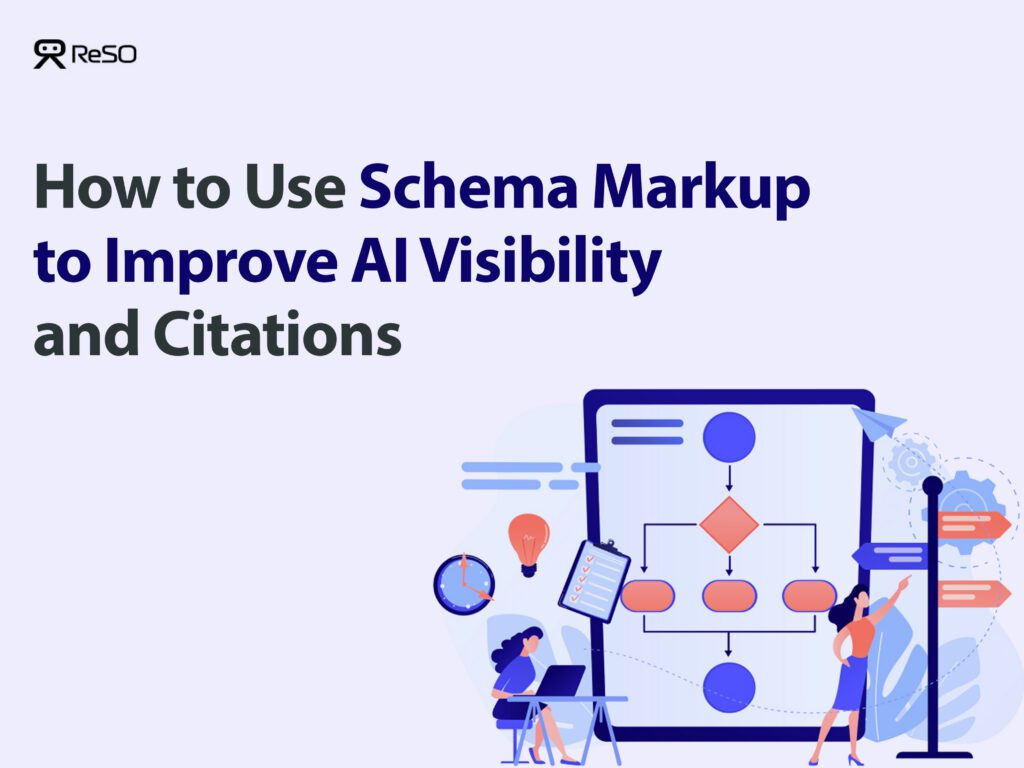
For LLM marketing specifically, AI helps optimize content for how ChatGPT, Perplexity, and other AI platforms discover and cite your brand. This means structuring content for easy extraction, using schema markup, and ensuring consistency across platforms so AI systems recognize and trust your brand entity.
Use tools like Jasper, Copy.ai, or ChatGPT for content generation. For AISO automation, implement comprehensive schema markup, create content that directly answers common queries in your industry, and structure information hierarchically so AI can easily parse and cite it.
4. Predictive Analytics For Campaign Optimization.
AI analyzes past campaign performance to predict future outcomes, then automatically adjusts budgets, targeting, creative, and timing to maximize ROI. The system identifies which audiences, channels, messages, and offers will perform best for specific objectives, then optimizes resource allocation accordingly. It estimates customer churn risk, identifies up-sell opportunities, and predicts seasonal trends before they fully manifest.
Most major advertising platforms: Google Ads, Facebook Ads, LinkedIn Ads; now offer automated bidding and optimization. Enable these features and let the AI learn from your campaigns. For more sophisticated predictive analytics, consider platforms like Marketo Engage, HubSpot Marketing Hub, or Salesforce Marketing Cloud.
5. Conversational Marketing With AI Chatbots.
AI-powered chatbots handle customer inquiries 24/7, qualify leads, schedule meetings, answer FAQs, and provide personalized recommendations: all without human intervention. Modern chatbots powered by LLMs can understand context, handle complex queries, and even detect customer emotions to adjust responses appropriately.
They integrate with your CRM, pulling customer history to provide informed, relevant assistance. Platforms like Drift, Intercom, or LiveChatAI offer sophisticated chatbot capabilities.
For best results, train the chatbot on your actual customer data, FAQs, and product information. Start with common queries and expand capabilities based on interaction patterns.
The AI-First Marketing Future
The evidence is overwhelming: AI automation in marketing is the current reality. The brands winning in 2025 are those treating AI automation as strategic infrastructure, not experimental technology. They’re implementing AISO automation to ensure visibility in AI-powered search. They’re leveraging LLM marketing tools to create content at scale. They’re using predictive analytics to make data-driven decisions faster than human analysis allows.
Start where you are. You don’t need to transform your entire marketing operation overnight. Identify one high-impact use case: lead scoring, content personalization, chatbots, predictive analytics, or content creation. Implement AI automation in that area, measure results, learn from the experience, and expand.
The competitive advantages AI automation provides compound over time. The systems learn from every interaction, becoming more effective with each campaign. The brands that start now will build algorithmic moats that become increasingly difficult for competitors to overcome. The future of marketing is automated, intelligent, and personalized at scale. The question is whether your brand will lead that future or struggle to catch up to it.
If you want to automate your AISO, book a call with us.