Your best article ranks on page one, yet AI engines cite your competitor instead. The reason isn’t content quality: it’s content architecture.
AI engines favor interconnected content clusters over isolated pages, demonstrating comprehensive topical authority through pillar-cluster architecture. Bi-directional internal linking further strengthens these signals, creating citation-worthy topical graphs that outperform single-page strategies.
AI engines evaluate your entire topical footprint. Single-page strategies lose to interconnected content clusters that demonstrate comprehensive expertise.
Key Findings:
- AI cites competitors despite your page 1 ranking, clusters demonstrate topical authority.
- Interconnected content outperforms single pages; bi-directional links strengthen signals.
- Problem → Comparison → Integration matches AI query patterns for consistent citations.
- Statistics/citations/fluency boost visibility ~40%; compounds in clusters.
- Audit gaps → Restructure answers + schema/links → Track share vs. competitors.
- Early clusters widen the authority gap; freshness + intent avoid common pitfalls.
What Makes Content Clusters Citation-Worthy
Topic clusters work because they mirror how AI engines evaluate authority. When ChatGPT answers “What’s the ROI of marketing automation?” it evaluates whether a source can speak authoritatively about implementation, integration, pricing, use cases, and measurement. A single page can’t demonstrate that breadth; an interconnected cluster can.
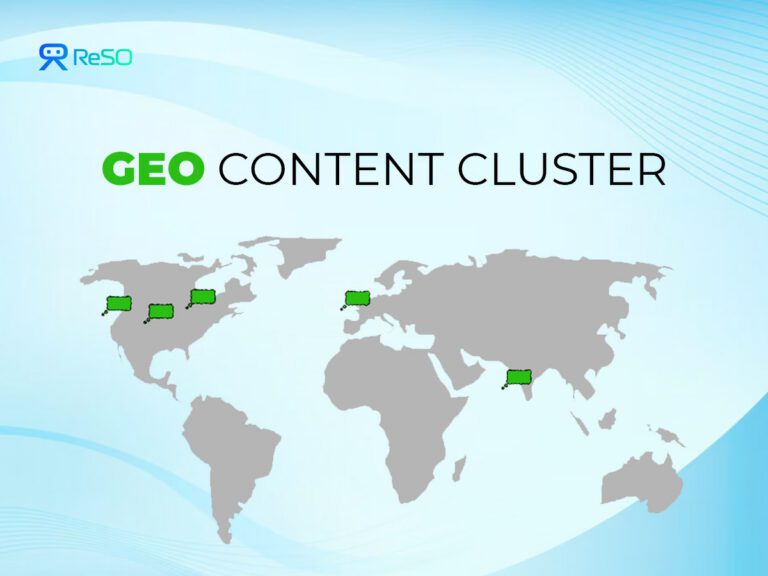
The architecture is straightforward: a pillar page provides a comprehensive topic overview, while cluster pages dive deep into specific subtopics. Strategic internal linking connects these pieces, creating a topical authority graph that AI engines recognize.
Research from Search Engine Land found that optimized content with citations, statistics, and improved citation gain 40% visibility points. These optimizations only compound when applied across interconnected clusters, not isolated pages.
The Buyer Journey Framework: Problem → Comparison → Integration
Problem-Aware Content (Top of Funnel)
Buyers recognize challenges but haven’t identified solutions. Content defines problems, explains causes, and introduces solution categories without pushing specific vendors.
For a marketing automation platform:
- “Why marketing teams struggle with lead scoring accuracy.”
- “Hidden costs of manual campaign management”
- “How disconnected tools create attribution blind spots.”
This establishes expertise on problems your product solves before buyers enter vendor evaluation.
Comparison Content (Middle of Funnel)
Buyers evaluate solutions and compare platforms. Brands filling competitor content gaps see 38% higher engagement and 2.4x more AI citations according to SEMrush’s 2025 study.
Effective comparison content includes
- Feature comparison matrices with your solution & alternatives
- Use case matching for different scenarios
- Transparent pricing & capability breakdowns
- Integration and technical requirement comparisons.
Integration Content (Bottom of Funnel)
Buyers need implementation guidance. That means content includes:
- Step-by-step implementation guides with realistic timelines
- Technical documentation for non-technical buyers
- Migration playbooks addressing transition challenges
- ROI calculation frameworks
This content gets cited when prospects ask, “What should I ask vendor X about implementation?“
The 3-Step Audit-Optimize-Track Method
Step 1: Audit Your Topical Coverage
Map existing content to buyer journey stages. Identify which problem-aware, comparison, and integration topics you’ve covered and where competitors have content that you’re missing.
Step 2: Optimize for AI Citation Architecture
1. Content Restructuring:
Structure content as discrete answer blocks (75-300 words each) that AI can reference independently. Transform narrative into extractable claims with a clear structure.
2. Strategic Internal Linking:
- Each cluster page should link to the pillar page and related cluster content using keyword-rich, contextual anchor text.
- Bi-directional linking reinforces cluster authority for better AI recognition” without the multiplier.
3. Schema Markup:
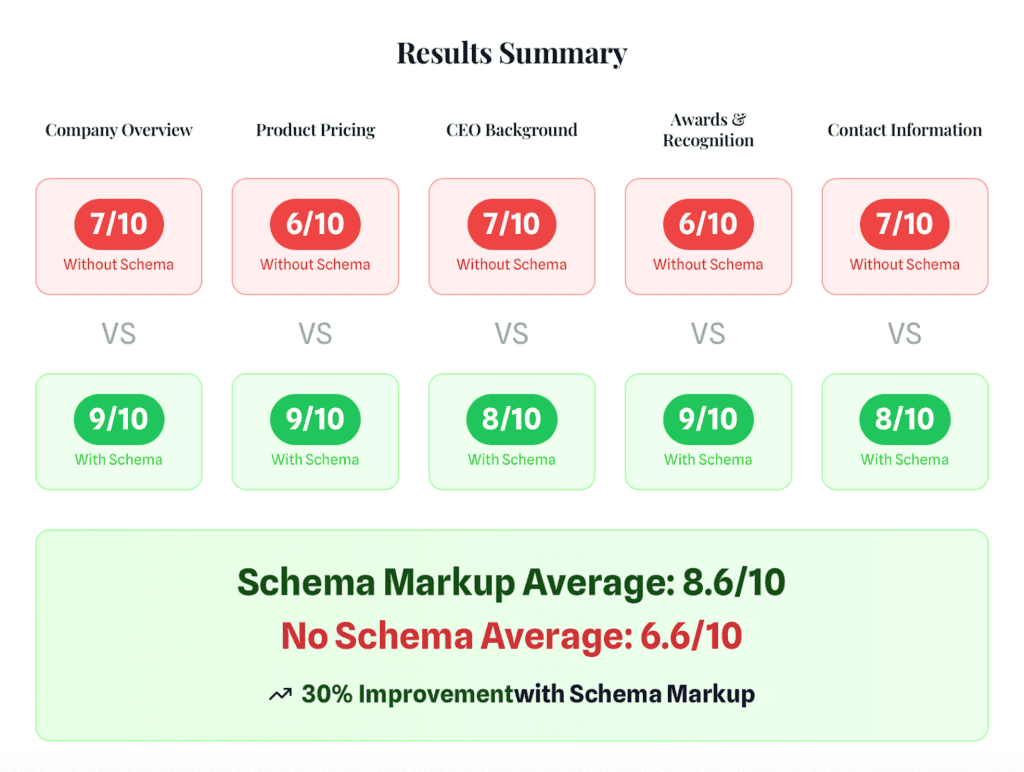
Implement FAQ schema for Q&A pairs, HowTo schema for procedures, and Organization schema for entity recognition. Schema enables 30% higher extraction accuracy.
4. Statistical Density:
- Content with original statistics sees 40% higher visibility.
- Provide verifiable claims: “Companies using our platform see 67% faster implementation, according to our 2025 survey of 200 firms.“
Step 3: Track Citation Performance
Monitor how often AI engines cite your content across target queries. Track competitive share of voice: if 5 competitors target your topic but you earn 40% of citations, you’ve established dominance.
Use AI tools to automate citation tracking at scale. Foundation work typically shows results in 4-8 weeks. Maintain momentum with monthly cluster content, quarterly pillar updates, and annual audits.
Common Implementation Mistakes
| Mistake | Problem | Fix |
| No Clear Hierarchy | Random collections fail the authority test | Build pillar-cluster relationships |
| Isolated Optimization | Inconsistent schema signals across pages | Systematic markup on all cluster content |
| Ignoring Buyer Journey | Keyword focus misses intent mapping | Organize by problem → comparison → decision |
| Neglecting Freshness | 12+ month old clusters = stale expertise | Add timestamps, changelogs, and quarterly updates |
Systematic clusters with intent + freshness boost citations 3x vs. scattered pages.
The Compounding Advantage
Topic clusters create compounding returns.
- Each new page strengthens the pillar’s authority.
- Each link reinforces topical relationships.
- Each citation builds entity authority that makes future citations more likely.
Brands implementing clusters now establish advantages that widen over time. Topic clusters may deliver more citations, but that gap grows when one brand has more cluster building while competitors start from scratch.
Analysis from Princeton researchers found that combined optimization strategies (fluency + statistics + structure) outperformed single methods by 5.5%. Schema markup combined with strategic internal linking creates similar compounding effects, but only across interconnected clusters, not isolated pages.
- Start small with a single core cluster covering your primary topic at all buyer journey stages.
- Use AI-powered tools to accelerate cluster mapping.
- Implement measurement infrastructure from day one.
- Establish refresh cadences: new cluster pages monthly, pillar updates quarterly, full audits annually.
Topic clusters aren’t a content format. Instead, they’re content architecture that determines whether AI engines can confidently cite your expertise.
If you want to know how your brand shows up in AI-citations, book a call with ReSo.