Most marketers still approach AI search optimization the way they learned traditional SEO: optimize individual pages, add structured data, include keywords, and hope for visibility.
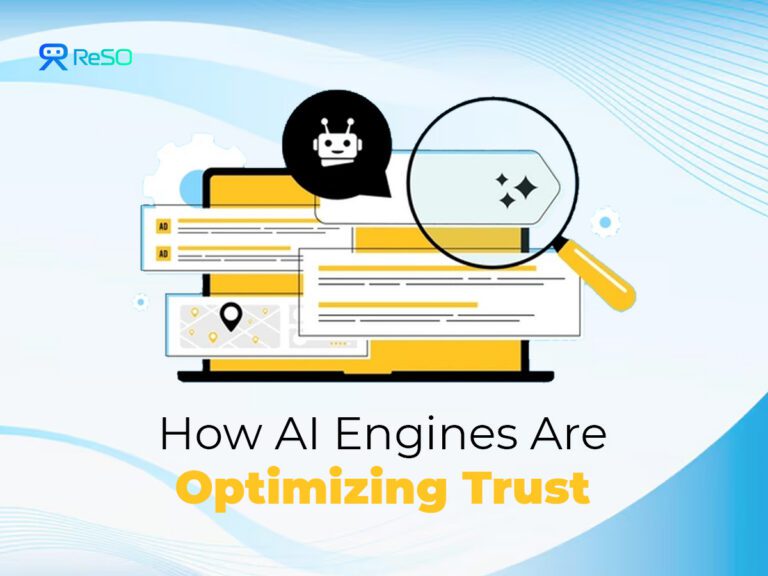
If your brand isn’t trusted at the source level, no amount of page-level optimization will consistently earn you citations in AI-generated answers.
The fundamental unit of competition has shifted from pages to trust, and many high-quality sites remain invisible in AI answers despite “doing everything right.”
Key Takeaways:
- Domain trust trumps page optimization: AI engines filter trusted domains first, then pick pages.
- Organic traffic rules: SE Ranking shows high-traffic domains get 3x more AI citations.
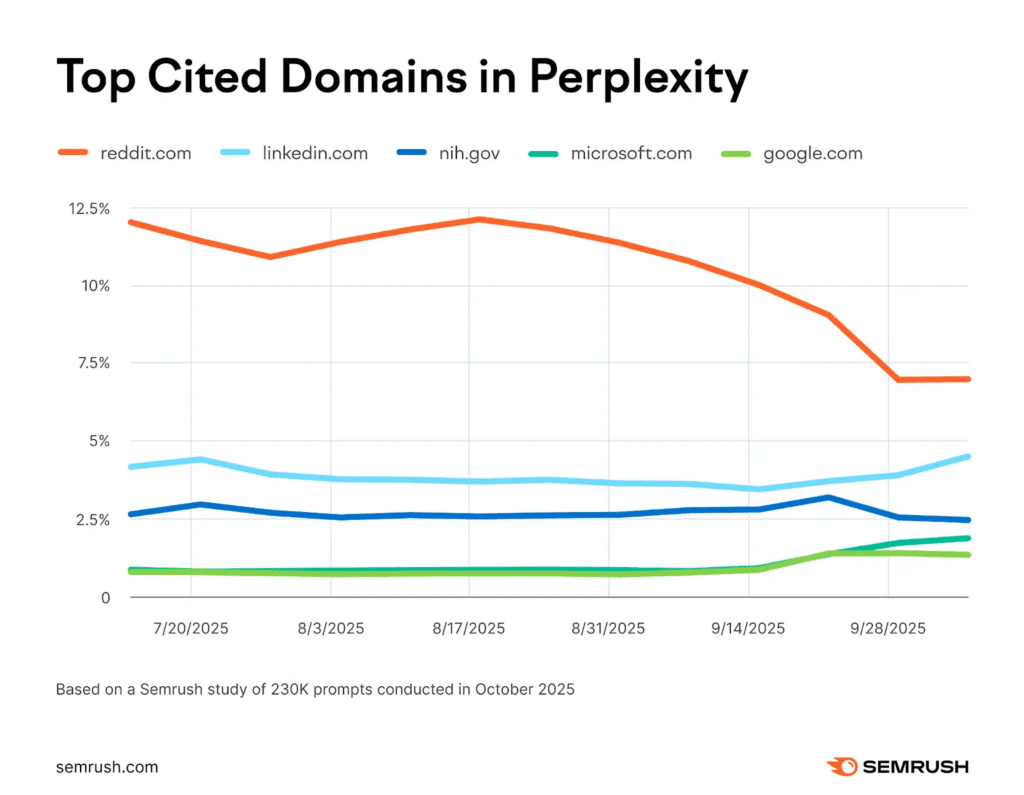
- Engines trust differently: ChatGPT & Google AI Overviews love Wikipedia, while Perplexity favors Reddit.
- Page SEO is secondary: Ahrefs finds AI cites different URLs 87% of the time vs. rankings.
- Build holistic authority: Diverse backlinks, traffic, brand mentions, and public engagement clear the trust filter.
The Trust Filter Comes First
When you ask ChatGPT, Perplexity, or Google’s AI Mode a question, something critical happens before any individual page gets evaluated. These systems follow a retrieval-first approach: they identify trusted sources first, then decide which specific passages to quote.
Research from SE Ranking analyzing AI Mode citations reveals that domain-level traffic from Google organic search is the single biggest factor influencing whether AI systems cite your content.
Websites with fewer than 300 referring domains average about 2.5 citations, while those with over 24,000 referring domains reach 6.8 citations on average. This isn’t about individual page optimization. It’s about whether AI engines trust your domain in the first place.
The implications are stark. You could have the most perfectly structured, keyword-optimized page answering a specific query. But if your domain hasn’t established trust signals across the broader web, AI engines will likely skip over it in favor of content from sources they’ve already validated as authoritative.
Different Engines, Different Trust Signals
The challenge becomes even more complex when you realize that each AI platform evaluates trust differently.
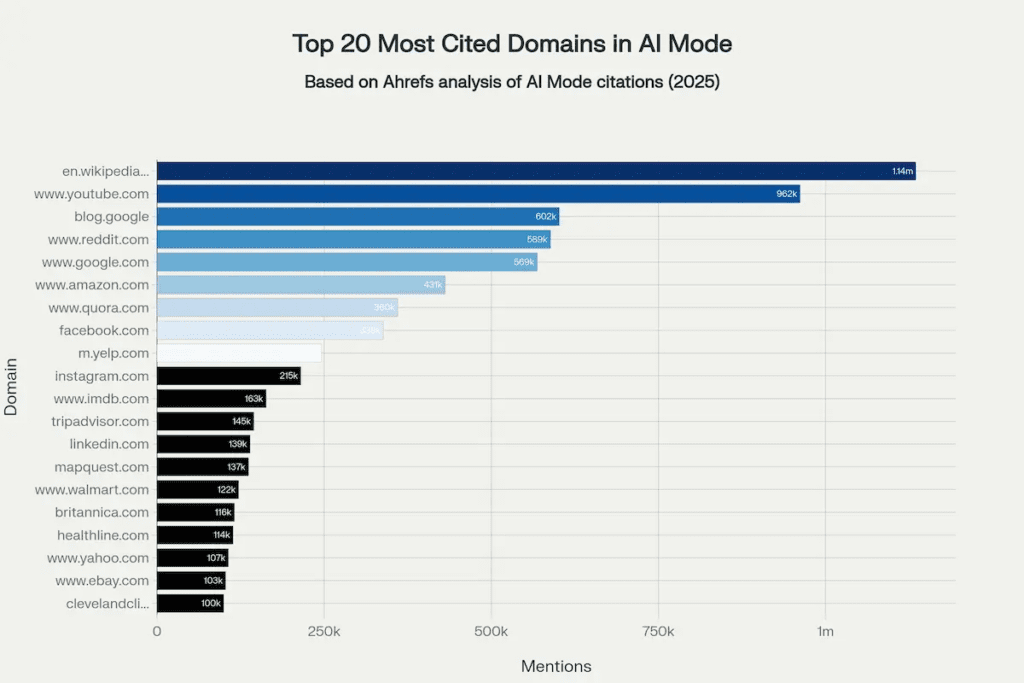
Analysis of citation patterns across major AI platforms shows remarkably distinct preferences in how they source information.
| AI Platform | Top Cited Source | % Of Citations | Trust Approach |
| GPT | Wikipedia | 7.8% | Encyclopedic content, broad expertise |
| Perplexity | 6.6% | Community-driven platforms | |
| Google AI Overviews | 2.2% | Balanced across multiple source types |
The Page-Level Optimization Myth
This is where most AI search optimization advice goes wrong: it focuses almost exclusively on page-level factors like structured data, content length, and keyword placement. While these elements matter, they only come into play after an AI engine has already decided your domain passes the trust threshold.
3 Reasons Page-Level SEO Misses the Point for AI Citations
- Domain trust comes first. AI engines filter for trustworthy domains before caring about structured data or keywords.
- AI picks different pages. Ahrefs found Google’s AI Mode/AI Overviews cite the same URLs only 13% of the time (despite 86% semantic similarity); domain signals decide.
- Rankings ≠ citations. ChatGPT pulls most references from Google positions 21+, trusting domains but choosing deeper pages.
What Domain-Level Trust Actually Means
Referring Domain Diversity:
It’s not just about total backlinks now. You need to look at how many independent domains validate your content as trustworthy and valuable.
AI systems interpret this as social proof at scale.
Organic Traffic Signals:
- Consistent traffic from traditional search engines signals to AI platforms that real users find your content useful.
- This creates a reinforcing loop where traditional SEO success enables AI visibility.
Brand Recognition:
Global traffic to your main page and brand search volume indicate that people actively seek out your content. AI engines view this as a strong trust signal.
Public Engagement:
Presence on platforms like Reddit and Quora matters more than most realize.
AI Mode specifically incorporates these public engagement signals when evaluating source credibility.
The Strategic Shift Required
Understanding how to rank in ChatGPT or optimize for any AI-based search engine requires thinking beyond individual pages. Instead of asking “How do I optimize this page for AI citations?” The better question is, “How do I build domain-level trust that makes all my pages citation-worthy?“
This means investing in:
- Building diverse, high-quality backlinks across your entire domain
- Creating comprehensive topic coverage that establishes subject matter expertise
- Engaging in public conversations on platforms that AI engines monitor
- Maintaining consistent traffic and user engagement signals
- Demonstrating long-term authority in your niche
The uncomfortable reality is that many sites doing “everything right” at the page level remain invisible because they haven’t invested in building trust at the domain level. AI engines have essentially added a trust filter before the content quality filter, and most optimization advice still focuses only on the latter.
AI answer engines aren’t just better search engines; they’re fundamentally different systems that prioritize different signals. They decide which sources to trust first, then select passages to quote. If your domain hasn’t cleared the trust threshold, even your best content will remain unseen.
The shift from page-level to domain-level optimization requires a longer-term, more holistic approach to visibility. But for those willing to make this strategic shift, the rewards are significant: consistent citations across multiple AI platforms, reduced vulnerability to algorithm changes, and a sustainable competitive advantage in the AI search era.
Stop optimizing pages. Start building trust.
And if you want to know your brand presence in LLMs and optimize for showing up in AI-powered search results, book a call with ReSo.
Frequently Asked Questions
1. Why do high-traffic domains get more AI citations?
Organic traffic signals real user value, SE Ranking found sites with >1.16M visitors average 6.4 citations vs. 2.4 for low-traffic sites.
2. Does page-level SEO still matter for AI?
Yes, but only after domain trust is established; AI picks passages from trusted sources first.
3. Which platforms should I target for trust signals?
Reddit, Quora, Wikipedia-style depth, and diverse referring domains, AI monitors public engagement heavily.
4. Why don’t top-ranking pages always get AI citations?
Ahrefs data reveals low overlap between ChatGPT citations and Google rankings: only 6.82-10% match top 10-20 SERPs, with ChatGPT favoring domains (31.8% overlap) ~3x more than specific URLs. Domain authority, freshness, and relevance take precedence over individual rankings.
5. How do I measure domain trust for AI?
Track referring domains (>24K = 6.8 citations), organic traffic, brand searches, and AI citation frequency.