
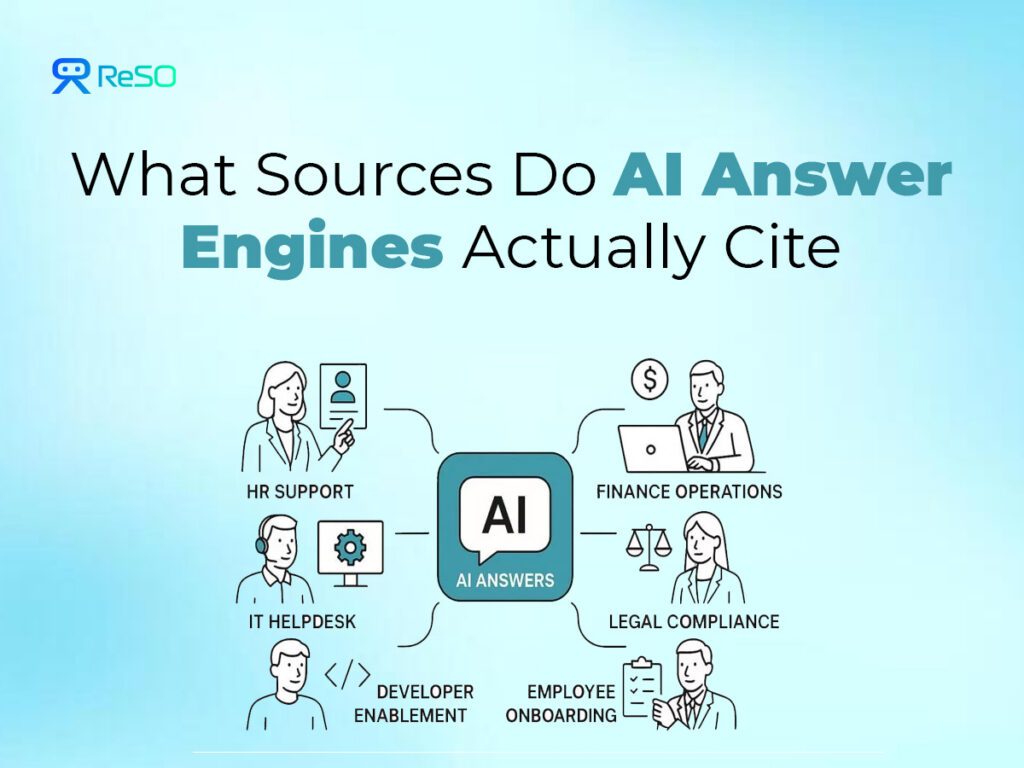
Most content about AI search optimization focuses on how to optimize. But very few answer the more fundamental question: Who
You’re tracking your competitors religiously. You know exactly where they rank for every keyword, what content they publish, and how
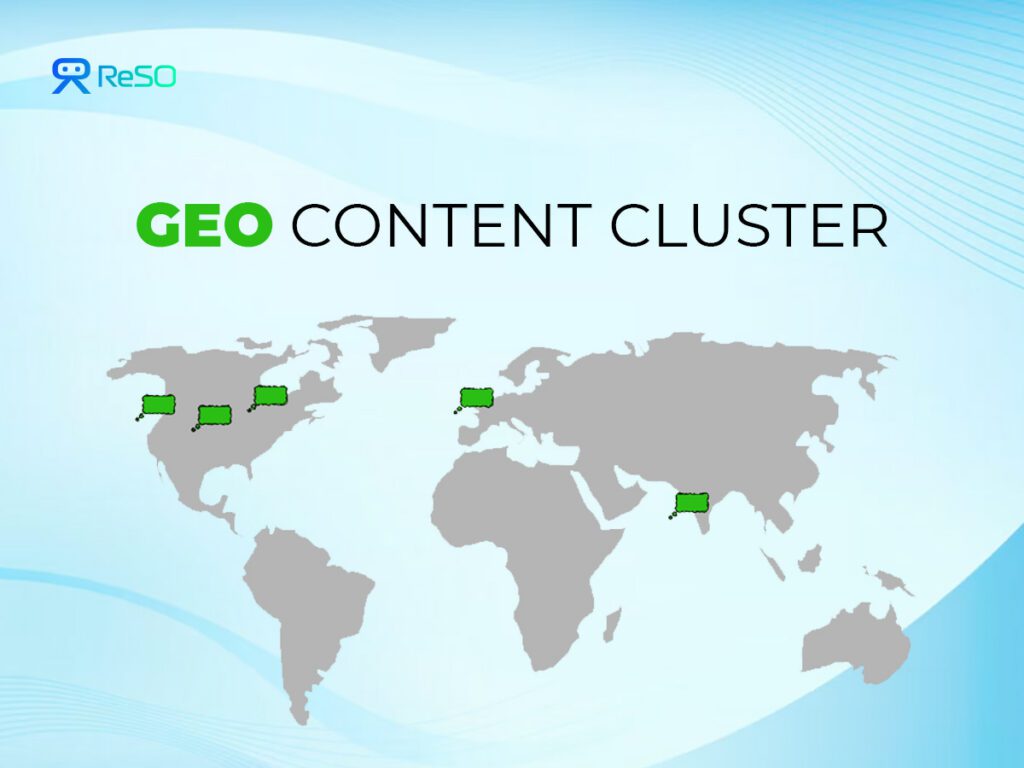
Your best article ranks on page one, yet AI engines cite your competitor instead. The reason isn’t content quality: it’s
Beneath your LinkedIn profile’s polished surface exists an invisible layer you’ve never seen. The version of your professional identity that
The rules determining B2B visibility have fundamentally changed. For decades, marketers optimized for search engine rankings, assuming that appearing on
Your LinkedIn analytics show 10,000 impressions on your latest post. Your website recorded 500 visitors last month. Your Google Analytics
When ChatGPT mentions your brand in an answer to 10,000 users but only 50 click through to your website, is
Your content team just published a comprehensive 5,000-word guide backed by original research, expert interviews, and detailed analysis. It’s objectively
Most marketers still approach AI search optimization the way they learned traditional SEO: optimize individual pages, add structured data, include
AI answer engines increasingly surface information without sending clicks. Users ask ChatGPT, “How do I optimize content for enterprise CRM
AI is reshaping how we find information, but there’s a critical problem: we can’t always trust what AI tells us.
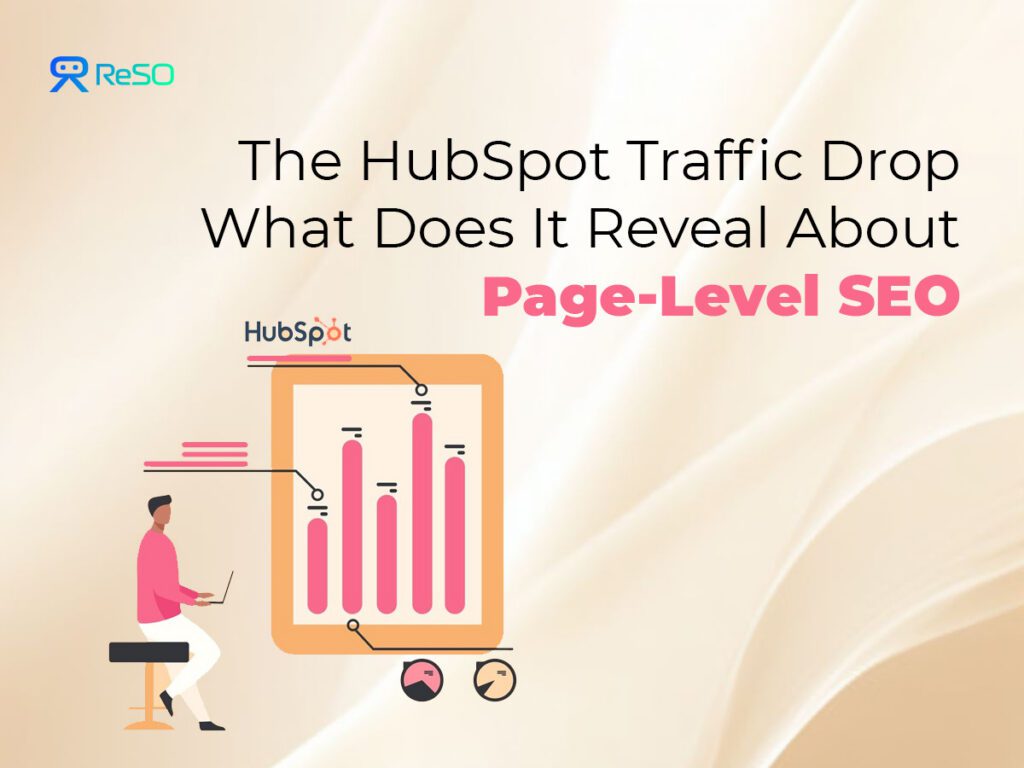
HubSpot lost 81% of its organic traffic in 12 months, from 14.8 million monthly visits to 2.8 million. Yet the