
Search is no longer just about finding links. It’s about getting answers. For years, Google shaped how people researched. A
You check your Monday morning analytics dashboard. Organic traffic is down 15% month-over-month. Yet conversions? They’re up 23%. Your executive

You built a beautiful website. You invested in design, crafted compelling copy, and launched with high hopes. Then reality hit:
Executive Summary: A handful of years ago, most folks could only gawk at slick campaign visuals, magazine spreads, and compelling
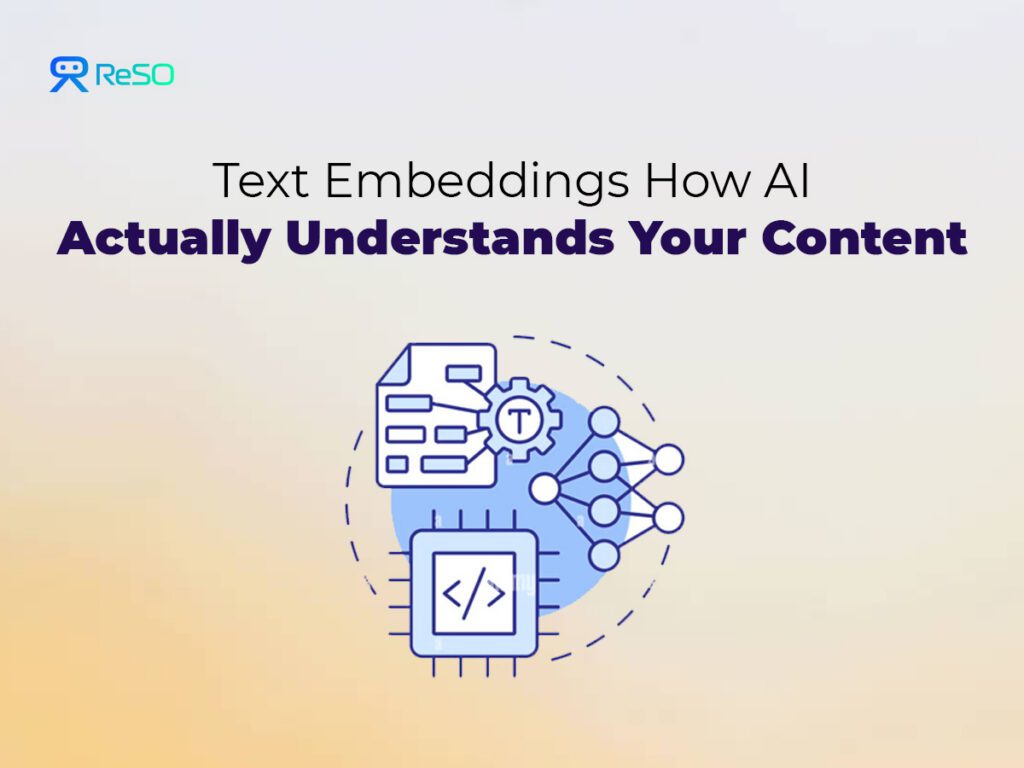
Embeddings are numerical representations of meaning that determine which content gets retrieved, cited, and recommended by AI search systems. Every

Most marketers chase audiences on Facebook, Instagram, and LinkedIn while overlooking a platform where 400 million monthly active users actively
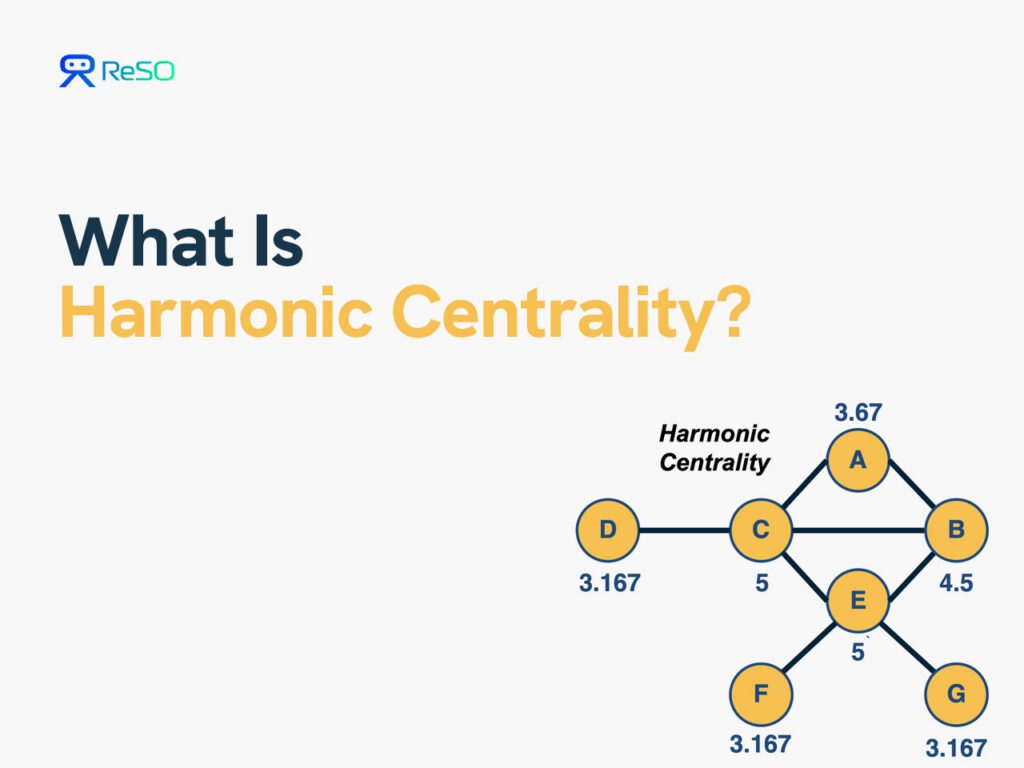
Harmonic centrality is a web graph metric that measures how well-connected a domain is based on how many other sites
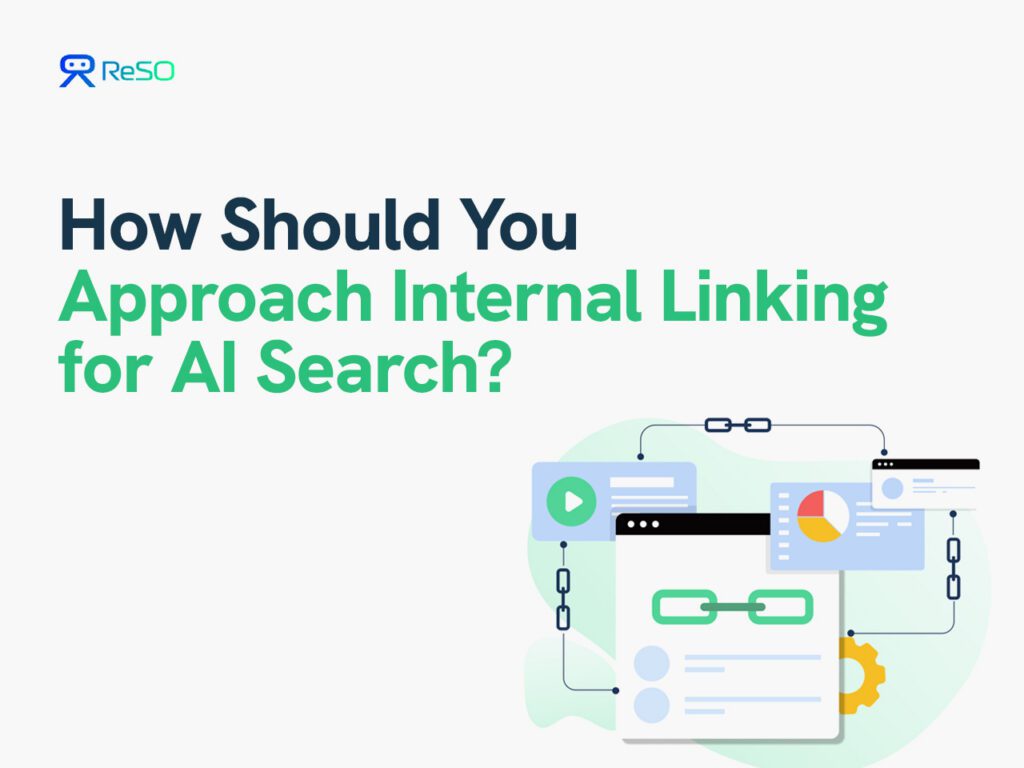
Every internal link is a relationship statement. Each one should assert a clear connection: cause/effect, overview/deep-dive, problem/solution that helps retrieval
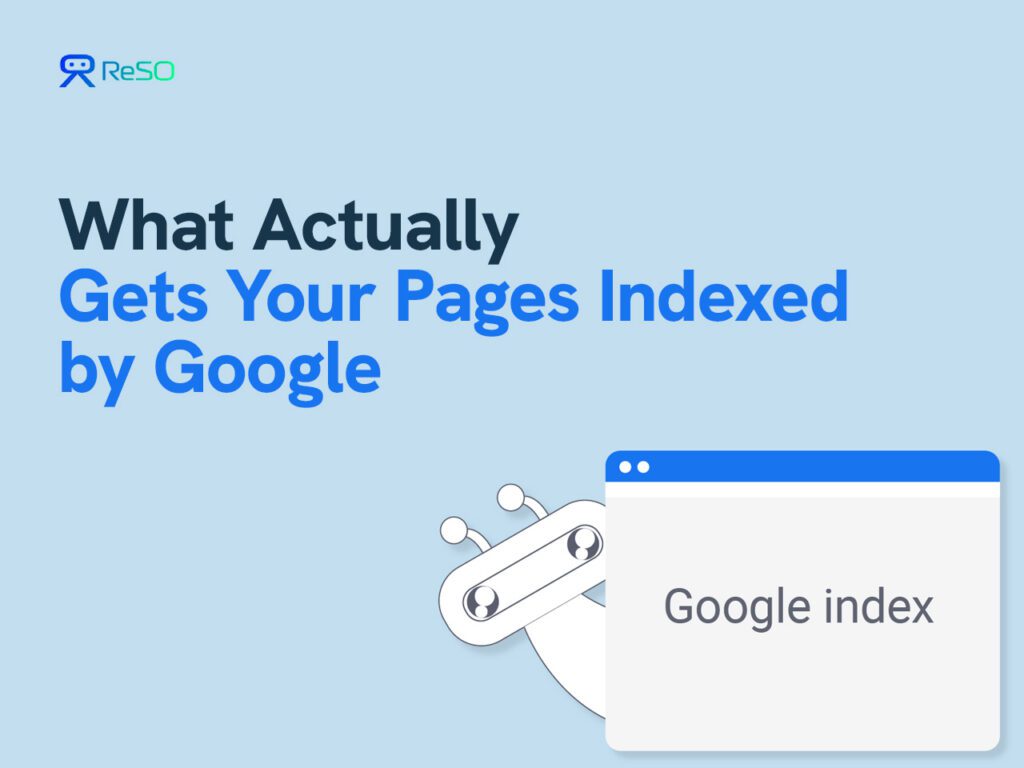
Google’s indexing requirements are minimal: Googlebot access, HTTP 200, and indexable content, and that’s it. Word count, schema markup, and
When someone asks ChatGPT “How to write content that ranks in ChatGPT?” or Perplexity “Which is the top GEO tool
Search didn’t suddenly “become AI” in 2026; it became stateful. For most of its history, Google Search treated every query
AI search is not “Google with a chatbot UI.” It’s a different discovery system with different economics. A simple signal